

Description
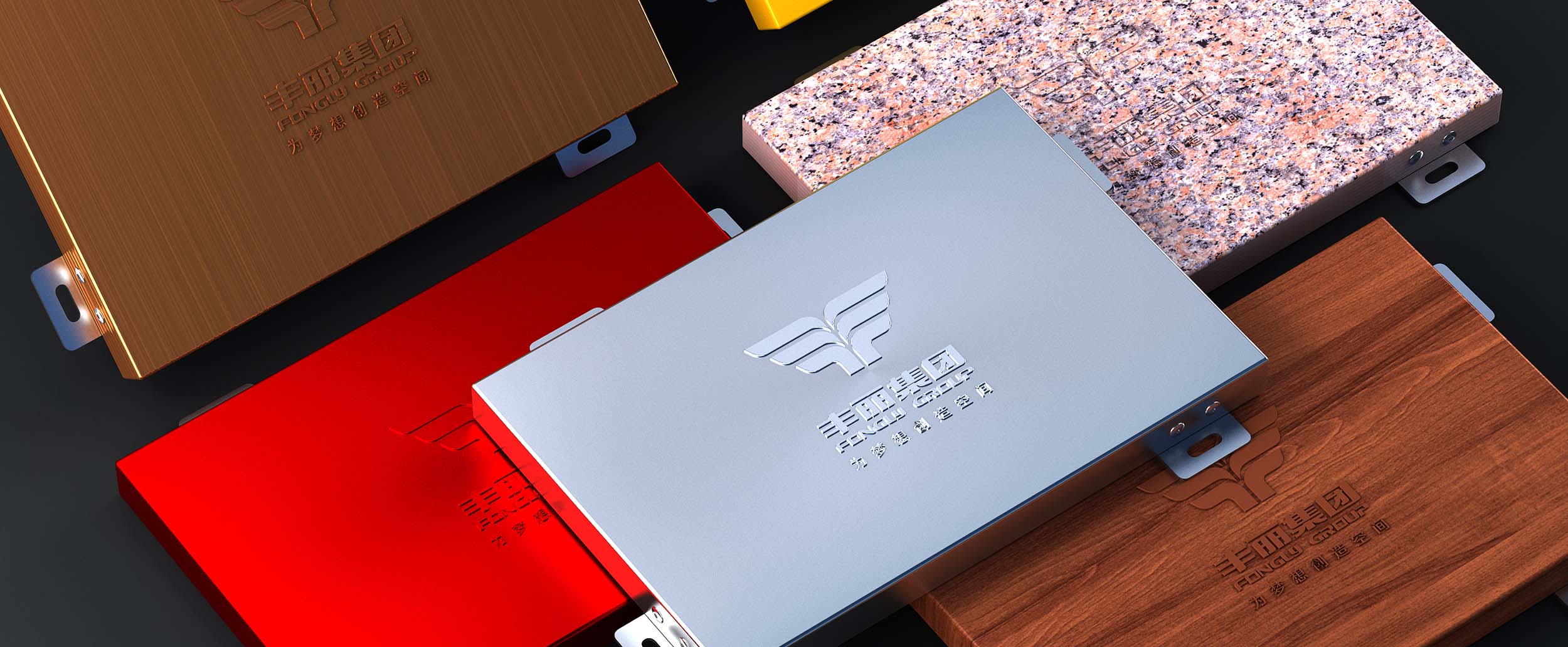
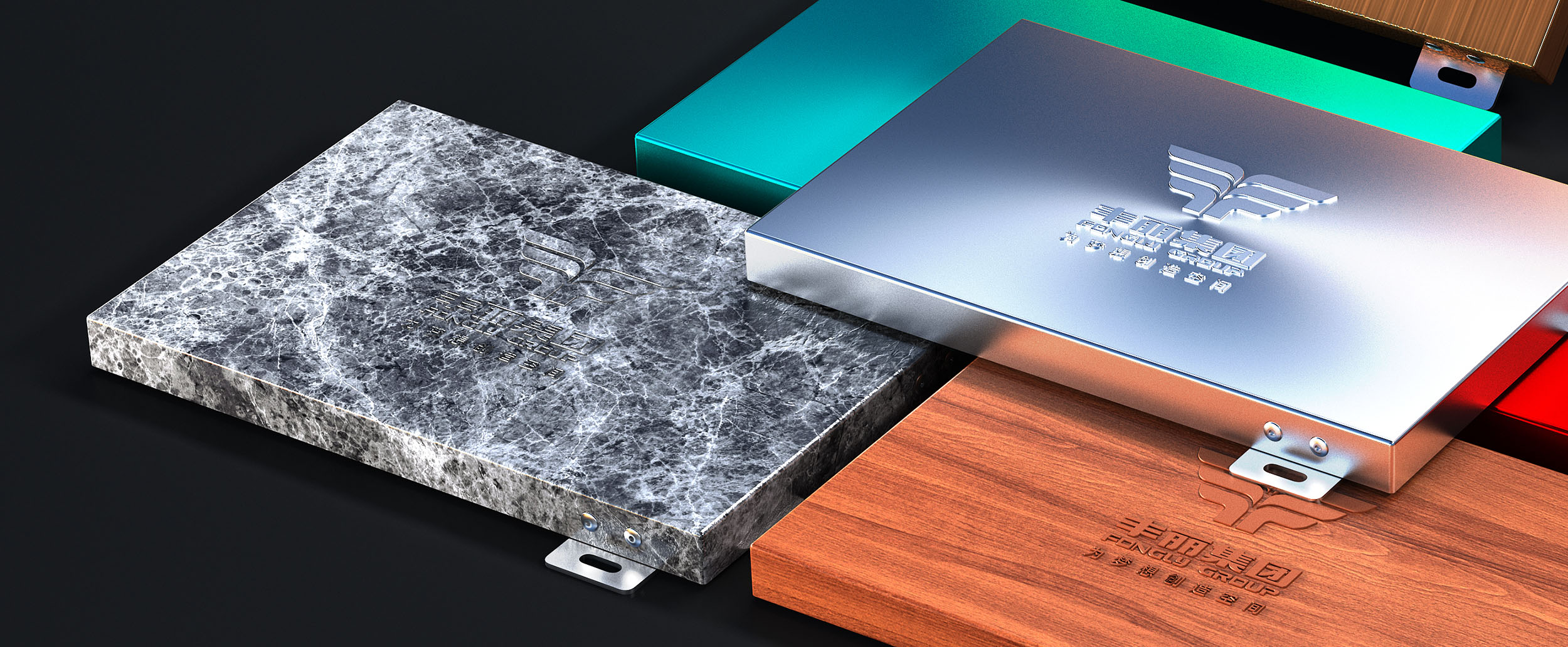
Fluorocarbon aluminum single plate is an aluminum plate made of high-grade aluminum alloy as the main material, and after various processing processes such as molding and pressing, the surface is sprayed with PPG or Aksu baking paint.The following is a detailed introduction to fluorocarbon aluminum veneers:
I. Characteristics
1. Strong weather resistance: Fluorocarbon coatings have excellent weather resistance and can withstand harsh natural environmental conditions such as ultraviolet radiation and acid rain, thereby maintaining long-term color stability.
2. Good stain resistance: The surface of fluorocarbon aluminum veneers is smooth and flat, not easily contaminated with dust and stains, and easy to clean, maintaining a good appearance.
3. Strong corrosion resistance: Fluorocarbon aluminum veneers have good resistance to acids, alkalis and chemical solvents, which can effectively prevent the material from being corroded by atmospheric pollutants.
4. Lightweight and strong: Fluorocarbon aluminum veneers are lightweight, high-strength, and have a certain degree of impact resistance and wind pressure resistance, which can meet the safety requirements of building exterior walls.
5. Good processability: Fluorocarbon aluminum veneers can be processed according to design needs, such as cutting, bending, and joining, to adapt to diverse building shapes and design requirements.
II. Application Areas
Fluorocarbon aluminum veneers are widely used in the field of building exterior wall decoration, including but not limited to the following locations:
Commercial buildings: Give buildings a sense of modernity and luxury, and enhance the architectural image.
Hotels and resorts: Add a noble and elegant appearance and create a unique atmosphere.
Residential: Provide a modern and artistic feel to high-end residences.
Hospitals and schools: It has corrosion resistance, easy cleaning and antibacterial properties, making it suitable for medical and educational environments.
Cultural facilities: Provide unique visual effects for cultural facilities such as museums, concert halls, and theaters, highlighting their cultural and artistic value
Airports and train stations: Provide an aesthetically pleasing appearance while being durable and corrosion-resistant in the exterior wall decoration of transportation hubs.
Commercial plazas and shopping centers: Create a sense of modernity, fashion, and luxury, increasing attractiveness and competitiveness.
III. Production Process
The production process of the fluorocarbon aluminum single plate mainly includes the following steps:
1. Material preparation: Prepare materials such as aluminum sheets, fluorocarbon paint, intermediate primer, and PVDF primer.
2. Aluminum sheet treatment: Cutting and surface treating the aluminum sheet to remove oxide layers and dirt and improve coating adhesion.
3. Coating treatment: Intermediate primer, PVDF primer and fluorocarbon paint are sprayed sequentially on the aluminum plate using a sprayer, and then dried to ensure uniform coating thickness and weather resistance.
4. Surface treatment: The coated aluminum sheet is coated and polished to increase its gloss and appearance.
5. Manufacturing and assembly: Cutting, bending, welding and other operations are performed according to requirements to make fluorocarbon aluminum veneers of different shapes and sizes, and then assemble them.