
Description
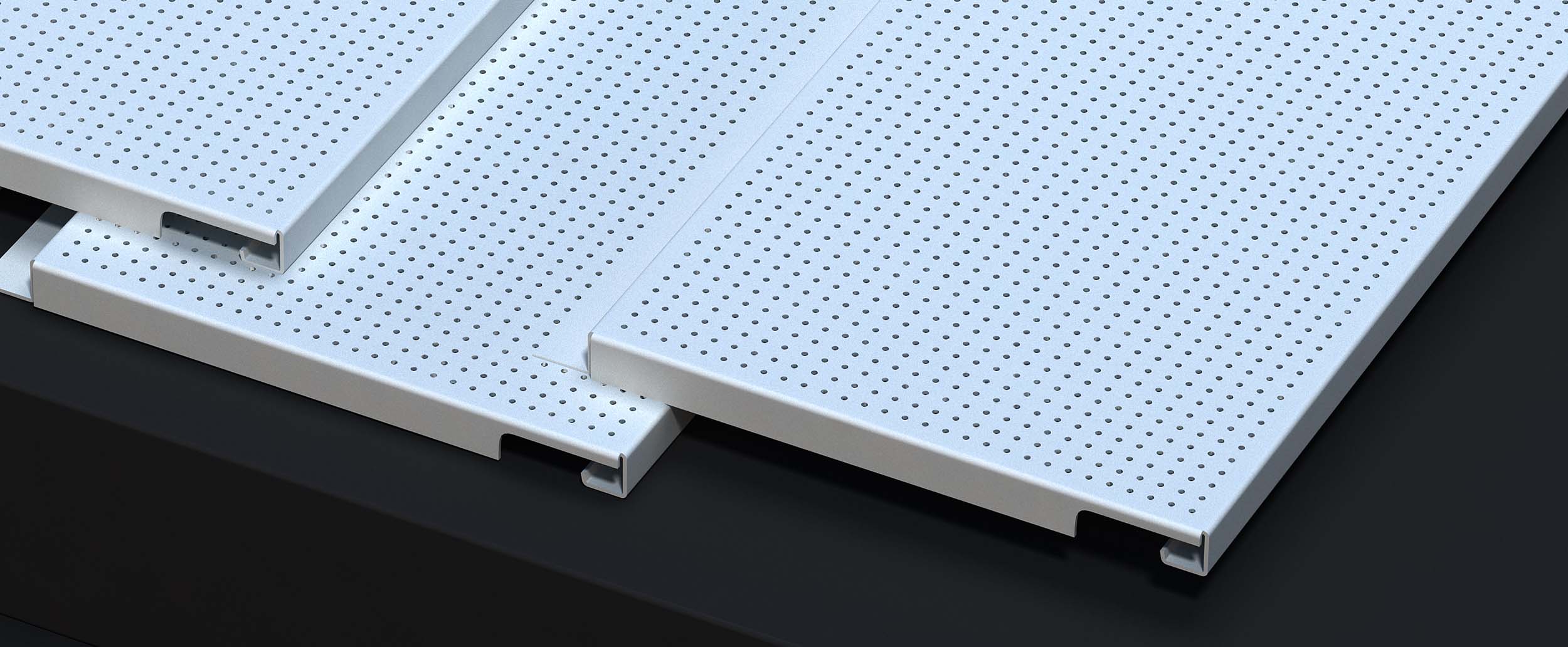
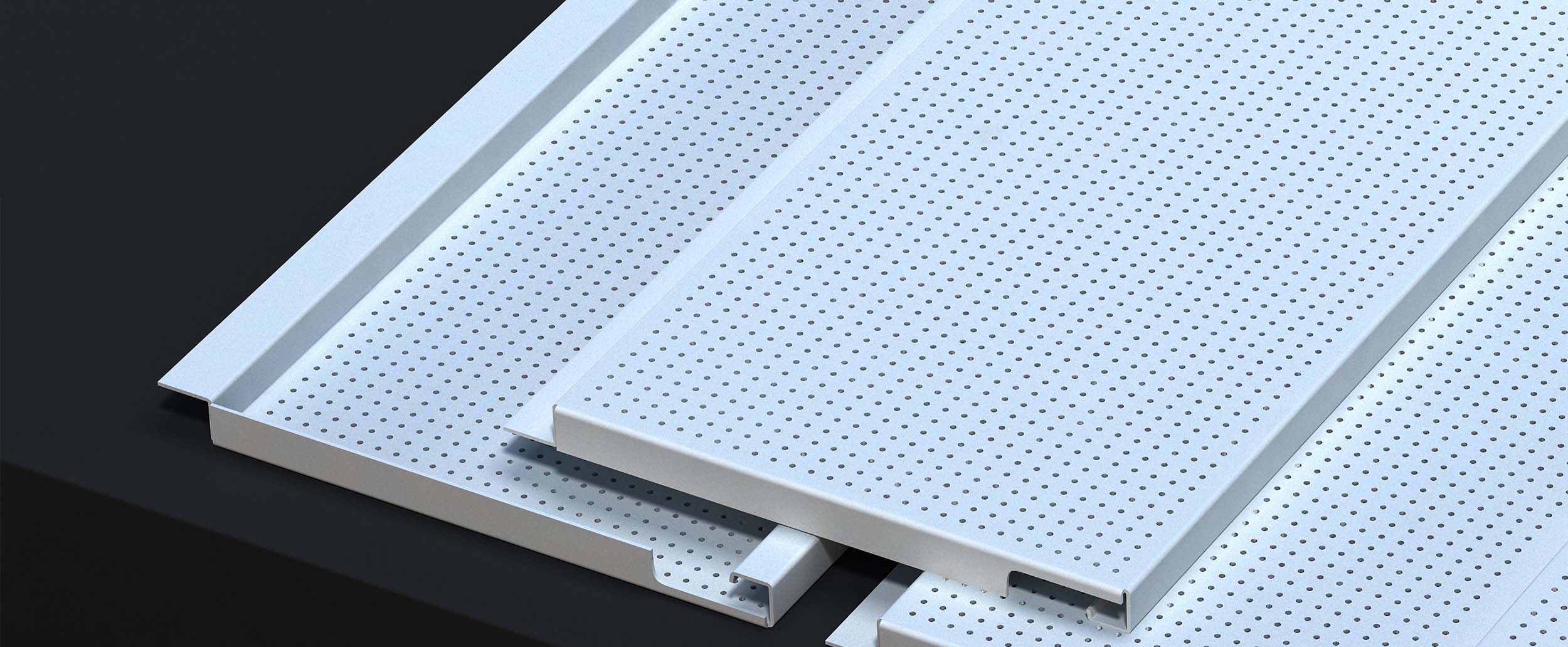
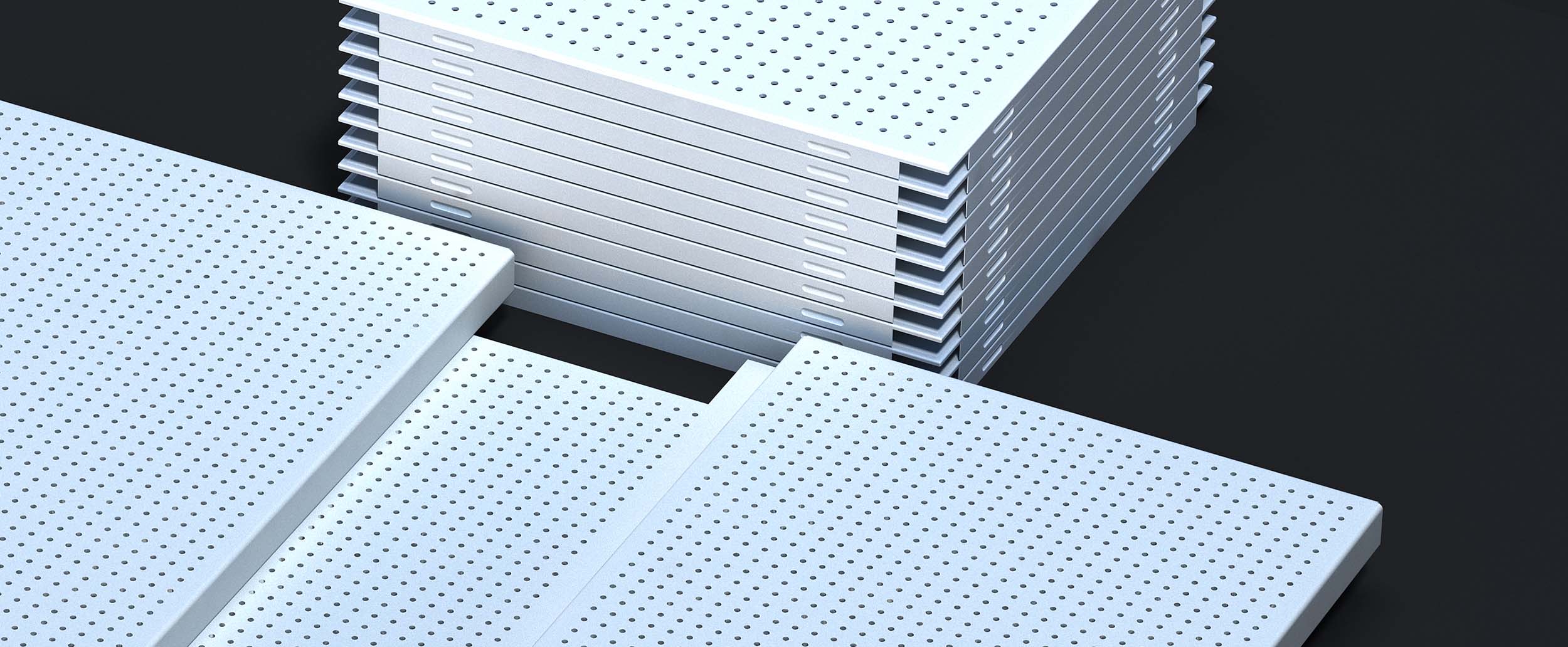
Metal ceilings: Metal ceilings mainly use metal materials such as aluminum alloy, stainless steel, and aluminum-magnesium alloy as substrates. The surface can be treated with various processes such as spraying, roll coating, frosting, and embossing to achieve an aesthetically pleasing, durable, and easy-to-clean effect.Some high-end products also incorporate metal composite technologies, such as aluminum honeycomb core panels, to improve their sound and heat insulation performance.
Features and advantages
l Durability: The metal material has good corrosion resistance and weather resistance, making it durable.
l Aesthetics: Diverse surface treatment processes, rich colors, and strong malleability meet the needs of different decoration styles.
l Functionality: Metal ceilings and wall panels have good sound and heat insulation effects;Metal partitions can effectively divide space and improve space utilization.
Advantages:
Environmentally friendly and healthy: Metal materials are pollution-free and non-radioactive, conforming to modern green building concepts.
Easy to clean and maintain: The surface is smooth, does not easily accumulate dust, and is convenient for daily cleaning and maintenance.
l Enhance the level: The metallic texture is noble and elegant, which can significantly enhance the level of interior decoration.
3. Application Scenarios
Metal ceilings are widely used in commercial spaces (such as shopping malls, office buildings, hotel lobbies), public spaces (such as airports and subway stations), and living rooms, dining rooms and other areas of high-end residences.