
Description
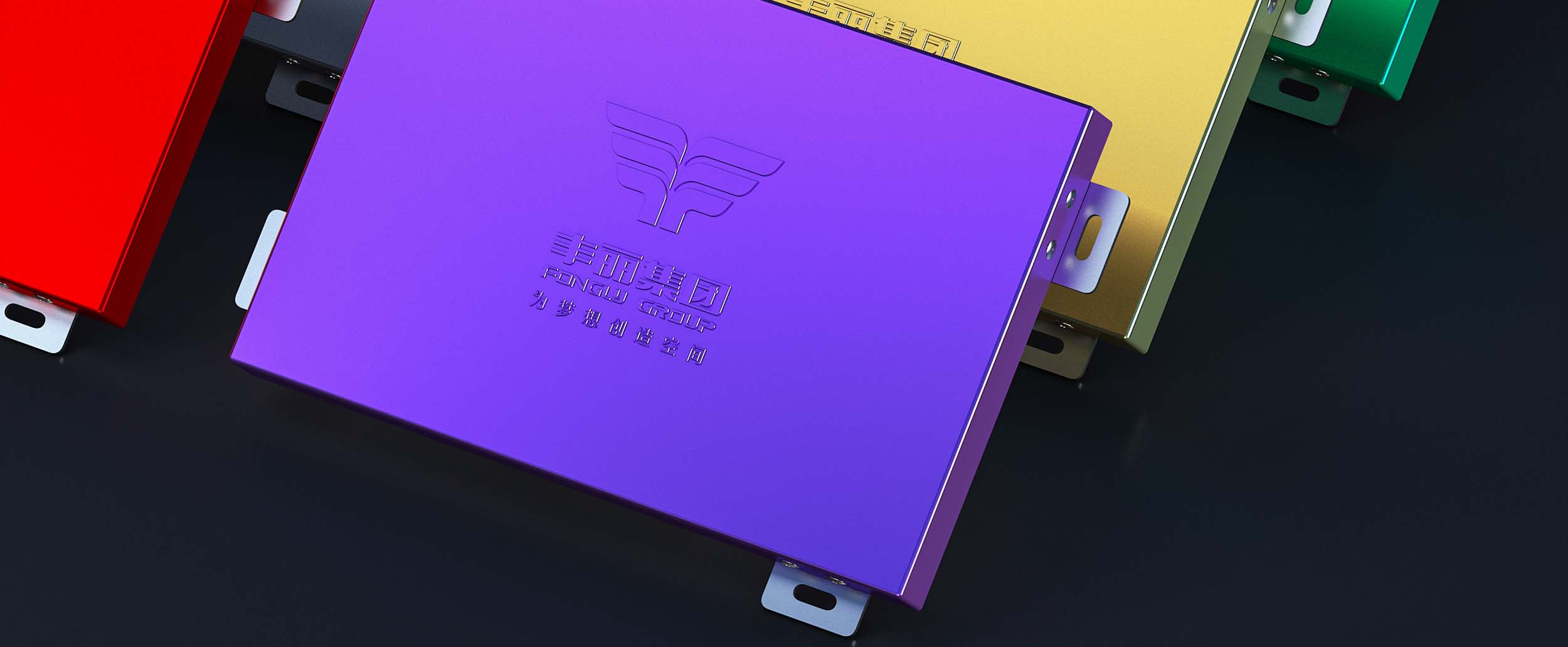
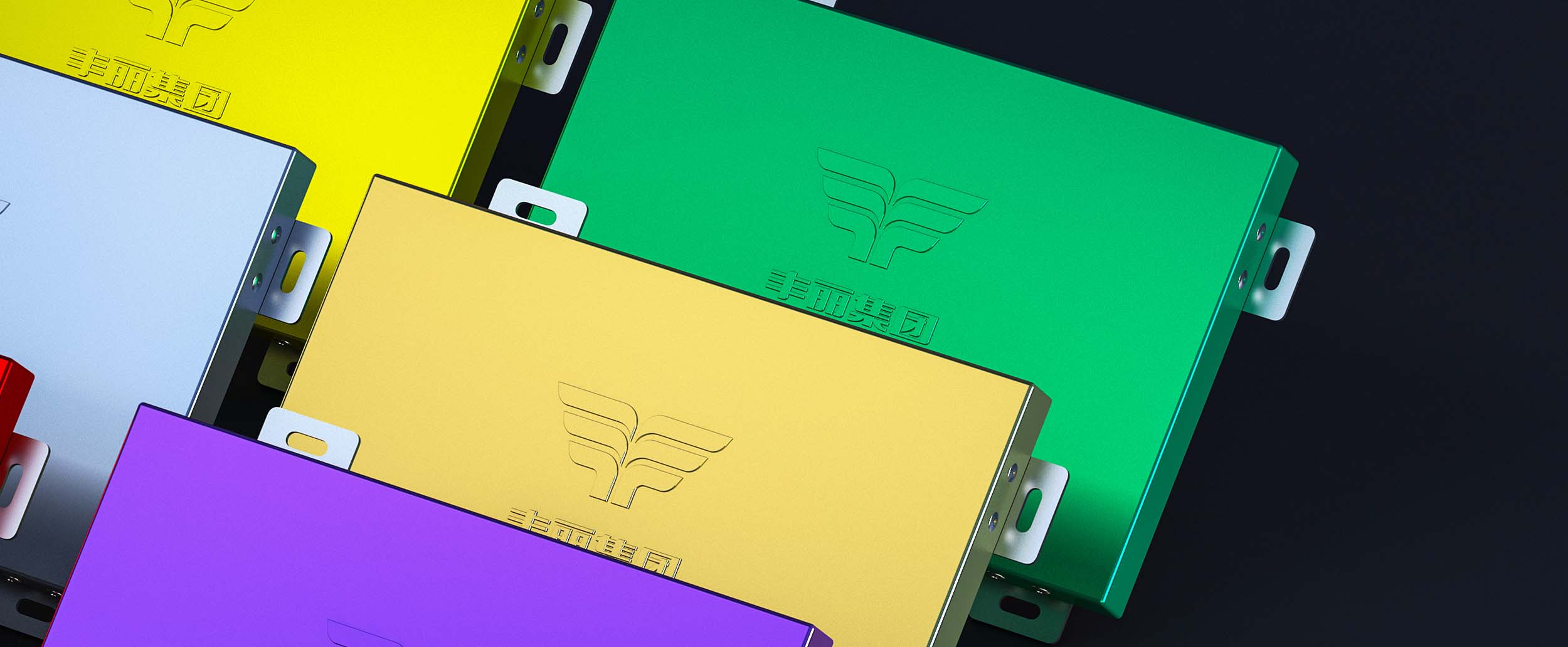
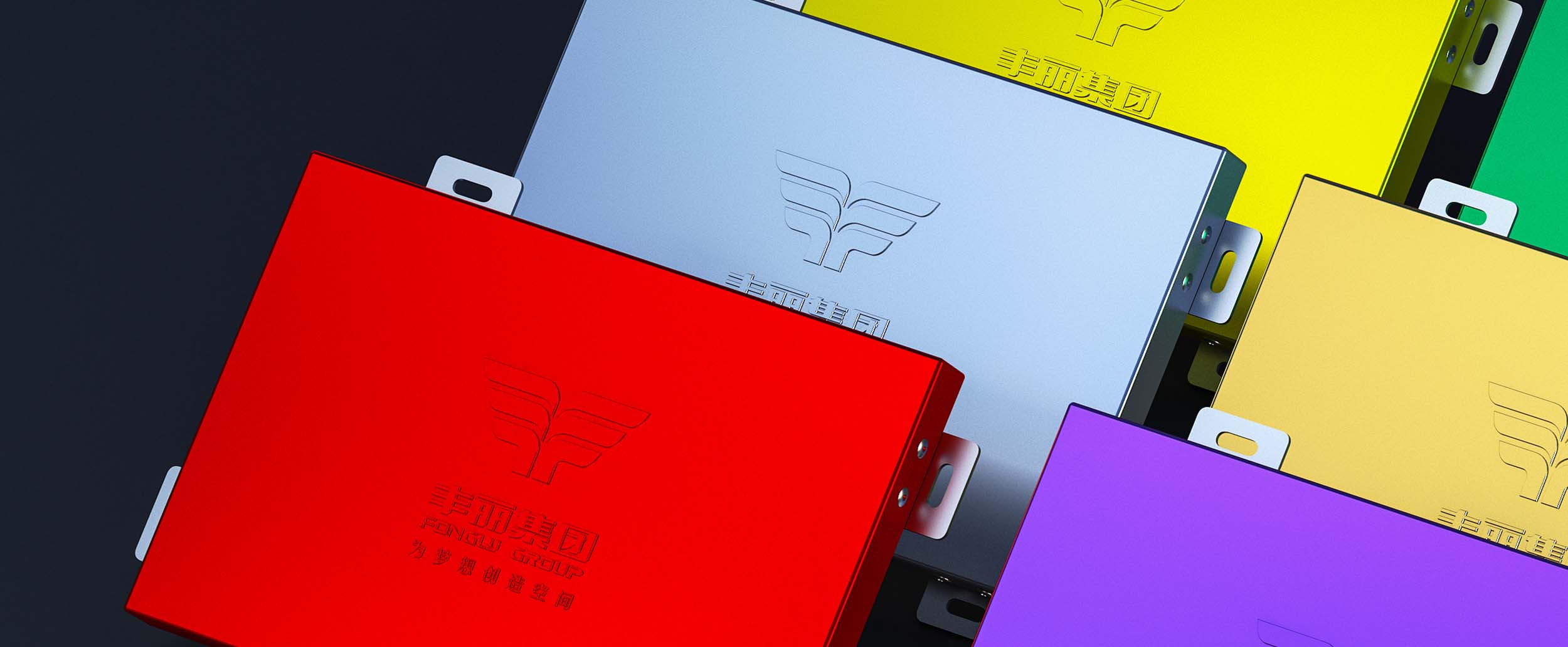
Anodized aluminum veneer is an aluminum sheet obtained through anodization process, which has many excellent performances and application scenarios.The following is a detailed introduction to anodized aluminum veneers:
I. Definition and Principles
Anodized aluminum oxide veneers are made by placing aluminum veneers in corresponding electrolytes (such as sulfuric acid, chromic acid, oxalic acid, etc.) as anodes. Under specific conditions and applied current, they are electrolyzed, allowing a thick and dense aluminum oxide protective film to naturally grow on the aluminum surface.This oxide film is not an additional layer, but is tightly bonded to the aluminum plate and will not peel off.
II. Performance Characteristics
1. Strong stain resistance: The surface of anodized aluminum veneer is easy to clean, does not easily leave fingerprints, is easy to clean, and does not produce corrosion spots.
2. Good weather resistance: The anodized aluminum veneer with a standard thickness oxide film (3μm) will not discolor, corrode, oxidize, or rust for long-term indoor use.Anodized aluminum veneers with a thickened oxide film (10μm) can be used outdoors and are not easily discolored even after long-term exposure to sunlight.
3. Strong metallic feel: The anodized aluminum single panel has high surface hardness and good scratch resistance. The surface is not covered by paint, retaining the metallic color of the aluminum panel and highlighting the modern metallic feel.
4. High fire resistance: As a pure metal product, the anodized aluminum veneer has no paint or any chemical substances on its surface, does not burn at 600 degrees Celsius, does not produce toxic gases, and meets fire protection and environmental requirements.
5. Good processability: Anodized aluminum veneers are highly decorative, have moderate hardness, can be easily bent and formed, and can be continuously stamped at high speed, making them convenient to directly process into products without the need for complex surface treatment.
3. Application Scenarios
Anodized aluminum veneers are widely used in various fields due to their good performance:
1. Architectural decoration: Used as indoor and outdoor building materials, such as facades, curtain walls, ceilings, partitions, handrails, etc.
2. Electronics: Widely used in electronic devices, such as integrated circuits, capacitors, resistors, semiconductors, etc.
3. Mechanical manufacturing: Parts used to manufacture vehicles such as automobiles, airplanes, and trains.
4. Household goods: Manufacturing various household goods, such as kitchenware, lighting, furniture, decorations, etc.
5. Medical devices: Used to manufacture medical devices, such as surgical instruments and medical equipment.
6. Aerospace: Used to manufacture aerospace components, such as missiles and satellites.
IV. Production Process
The production process of anodized aluminum veneer mainly includes the following steps: cleaning, pickling, anodizing, coloring, and hole sealing.
1. Cleaning: Remove oil stains, dust and other impurities from the surface of the aluminum plate to ensure the surface is clean.
2. Pickling: Soak the aluminum plate in an acidic solution for pickling to remove oxide scales, oxides, etc. from the surface of the aluminum plate.
3. Anodic oxidation: Place the aluminum plate into an anodic treatment tank, apply DC power to carry out an electrolytic reaction, and form an oxide film on the surface of the aluminum plate.
4. Coloring: Electrolytic coloring or chemical coloring treatment is performed according to requirements to give the aluminum plate different colors.
5. Sealing: Place the anodized or colored aluminum plate into a sealing solution to seal the micropores in the anodized layer, thereby improving the corrosion resistance and sealing performance of the aluminum plate.
In conclusion, anodized alumina veneers, with their unique performance and wide range of applications, play an important role in many fields such as construction, electronics, machinery, and home furnishings.